Building, Implementing, and Learning From Improvement Plans

Many school administrators, instructional coaches, and teacher leaders at this time are engaged in designing improvement plans or beginning the implementation of plans that were created earlier to achieve school and/or district goals. This process should be built to guarantee that educator learning is an outcome along with increased student learning. Educator learning is more likely to occur if the improvement plans follows this sequence:

  • Identify the desired outcome in terms of student success.

              Nearly all students in freshman algebra will achieve a passing grade. 

              Fifth grade students will increase executive functioning skills to increase readiness for middle school

  • Identify student learning production behaviors that are most likely to lead to successful learning outcomes.

Algebra students approach math challenges with a growth mindset. “With effort I can master this”

             Fifth grade students consciously practice executive functioning skills.

  • Identify the teacher actions that are most likely to generate the identified student actions.

Algebra teachers will provide experiences with “real life” math problems that illustrate students’ mental math problem-solving abilities.

            Fifth grade teachers will identify, model, and provide feedback as students practice executive functioning skills.

  • Hypotheses should be formed around the desired outcomes and student and teacher actions. These hypotheses drive actions, observations, reflections, and educator learning as the plan is implemented.

If building a growth mindset around learning math is a continuous, conscious focus of freshman Algebra teachers, more students will engage greater focus and effort and increase learning results creating a positive spiral. (The words that teachers use when conferring with students are important.)

If fifth grade teachers plan for the instruction and practice of executive functioning skills, students will develop skills that will increase their success as they enter Middle school.    

“A hypothesis emerges from a set of underlying assumptions. It is an articulation of how those assumptions are expected to play out in a given context. In short, a hypothesis is an intelligent, articulated guess that is the basis for taking action and assessing outcomes. Building a culture of effective hypothesizing can lead to more thoughtful actions and a better understanding of outcomes. Not only will failures be more likely to lead to future successes, but successes will foster future successes.”

Jeanne Ross, “Why Hypotheses Beat Goals”

Leadership Actions

With a hypothesis in place, leadership should examine what leadership actions are needed to begin and support the implementation of the plan. While planning backwards the leadership role is the last piece planned and generally the first to be implemented. Here are some questions to guide leadership’s planning:

  • How confident are we that the identified student success outcome (e.g., passing Algebra, increased executive function) is meaningful and measurable? A connected question: Will we be able to spark teacher passions around the desired student outcome.
  • What do we know and not know about the teacher and student actions that are key to the plan?
  • How will we communicate the purpose and expected outcomes of the plan clearly to teachers and students?
  • What leadership actions (e.g., scheduling, PD, co-planning time) are necessary to launch and sustain the plan?
  • How will we monitor the implementation of teacher practices and student behaviors without being evaluative?
  • How will we gather evidence of student behaviors (e.g., use of EF strategies, persistence in Algebra) to assess impact?
  • What opportunities exist for teachers to reflect together on what’s working and what’s not?

Evidence, Reflection, Modify

The learning for educators that will impact student learning occurs through the ongoing collection of evidence, reflecting on that evidence and then taking action based on what is being discovered. Coaching observations by instructional coaches, administrators, and peers can gather the evidence for reflection.

  • Are the suggested teacher actions observable in planning conversations and classroom observations? If not, what might be necessary for teachers to implement the actions? How are teachers describing their experiences with implementing the teacher actions?
  • If the teachers are implementing the hypothesis actions, how are the students responding? Are the desired student learning production behaviors present? If not what modification of teacher actions might be helpful?
  • Are there initial indicators of student increases in success as students engage in the identified learning behaviors?
  • What have we learned so far? What don’t we know yet?

Ultimately, the success of any improvement plan rests on how the design generates learning among educators. When teachers and leaders engage in testing hypotheses, observing impact, and adjusting practice—especially through the collaborative structures of PLCs and the personalized support of coaching—they model the very learning behaviors we seek to develop in students. Professional Learning Communities can provide the space for shared inquiry, dialogue, and collective reflection, while coaching offers targeted, just-in-time support to deepen practice. Each step—from identifying desired outcomes through reflecting on implementation and impacts—becomes an opportunity for professional growth. By centering educator learning as both a means and an end, schools increase the likelihood that improvement efforts will lead to lasting, meaningful gains in student learning.


Podcast: Professional Development That Impacts Teacher Learning and Student Success

What should teachers expect from school leadership in the support of teacher growth? What expectations should school leaders have of teachers in their investment in professional growth? Katherine Hamilton, vice president of programs for Ensemble Learning explores these questions with Steve.  Designing for teachers as professionals is key to generating educator learning that impact student success. Visit the Ensemble Learning LinkedIn page here.     Visit the Ensemble Learning website here. Subscribe to the Steve Barkley Ponders Out Loud podcast on iTunes or visit BarkleyPD.com to find new episodes!

What should teachers expect from school leadership in the support of teacher growth? What expectations should school leaders have of teachers in their investment in professional growth? Katherine Hamilton, vice president of programs for Ensemble Learning explores these questions with Steve.  Designing for teachers as professionals is key to generating educator learning that impact student success.

Visit the Ensemble Learning LinkedIn page here.

Visit the Ensemble Learning website here.

Subscribe to the Steve Barkley Ponders Out Loud podcast on iTunes or visit BarkleyPD.com to find new episodes!

Podcast Transcript:

[00:00:00.290] – Steve [Intro]

Welcome to the Steve Barkley Ponders Out Loud podcast. As instructional coaches and school leaders, you are tasked with guiding continuous teacher growth to create student success. This podcast looks to support you with strategies from experienced guests, as well as my own insights that I’ve gathered over the years. I’m thrilled to have you with us. Thanks for tuning in.

[00:00:29.960] – Steve

Professional development that impacts teacher learning and student outcomes. Our podcast guest today is Katherine Hamilton, Vice President of Programs at Ensemble Learning, where she oversees the development, implementation, and evaluation of all programmatic activities, with a focus on leadership for multilingual learner equity and implementation of high-quality dual language programming. Katherine has nearly 15 years of experience in K-12 education as a former secondary mathematics teacher, an instructional coach, and a Director of Curriculum and Instruction at a public school network in Los Angeles. Katherine specializes in effective teaching and learning, instructional leadership, and overarching strategy to ensure equity for all student groups. I’ve asked Katherine to join me in an exploration of the investment in professional development. How do we make that investment so that it’s truly focused on teacher growth for increased student success? Welcome, Katherine.

[00:01:46.020] – Katherine

Thank you for having me. Excited to talk about professional learning.

[00:01:49.800] – Steve

Terrific. For starters, why don’t you give us a little bit of an introduction to Ensemble Learning and your role there?

[00:01:59.000] – Katherine

Yeah, absolutely. So Ensemble Learning is a nonprofit. And I like to say that we have the luxury and the privilege of focusing really just on equity for multilingual learners. And we know in today’s age, teachers, school leaders, just have about a million things on their plate. And so really, we come in and partner with teachers, school leaders, schools, school districts, and really help them reduce the noise and look directly at their multilingual learners. We do that with professional learning and coaching, leadership growth through walkthroughs, but really just looking at culture and instruction for those students who are still working on their academic English.

[00:02:44.010] – Steve

Talk a little bit about the specific role that you play.

[00:02:47.850] – Katherine

Yeah. In my role as VP of Programs, I get to really see everything that we are doing across the United States and ensure that the work that we are doing has this through line from the services we are providing directly to actual behaviors of school leaders, of teachers, the practices that they are making part of their day-to-day work, and then again, that through line into student learning. I get to sometimes work directly with our clients, the person on the ground, having those leadership conversations. And then sometimes I’m behind the scenes with our team, really strengthening the way we deliver professional learning or coaching, ensuring that it’s research-based and ensuring that we are really aligned with the needs of our students.

[00:03:40.280] – Steve

So when I looked at your background and knowing we were going to explore professional development, I’m wondering what experiences you had as a teacher and perhaps as an instructional coach that have influenced your beliefs about quality professional development.

[00:04:03.900] – Katherine

Yeah, that’s a great question because I think a lot actually about a specific time in my career. It was early in my teaching career. I was actually in my second year of teaching, and we had had a leadership change at the school. The first principal, the principal who had hired me, was very instructional-focused. I received a lot of support, professional coaching and professional development, and he left our school between my first and second year. And that second year, I was really fortunate. I had a really great team of colleagues. We all really cared deeply, but we were all pretty early career teachers. It was a school that had opened just a couple of years prior, so it was just a very young staff. And we had a new principal, but he didn’t have that same instructional background. And in collaboration with a couple of my colleagues, we came to we’re not going to get the support and the development we need unless we really spearhead it. And we were really lucky that our principal is very collaborative with us. But we basically went to him and said, hey, we have this plan of teacher-driven professional learning.

[00:05:15.070] – Katherine

These are the things we know we need to work on based on what our students need, what we need. And we built some systems around professional learning and then peer observations and walkthroughs, peer coaching. But that was one of the most fun experiences. There was so much joy in that year, in the day to day of working with my colleagues. And it had this aha of, you know what? I actually really enjoy working with adults and thinking about teaching and learning and coaching adults more than I enjoy teaching the 15, 16-year-olds. And that says a lot. I’m a total math nerd. I taught high school math. I love it. I love students. But I really realized intellectually that we have to think really deeply about the support we’re providing to teachers and think about it as the whole system of what teachers experience. Most of their day is with students, and they’re really analyzing, checking for understanding, understanding what their students are doing. And we have to really think about how we provide those professional learning experiences in a real job-embedded, coherent, relevant way. And so that year really influenced, I think, my deep beliefs about we have to provide professional learning that is accessible to teachers, that is relevant, that is – when you’re meeting with them in coaching or in PD, I want their eyes to light up and say, yes, this is what I need.

[00:06:49.730] – Katherine

This is what I’ve been struggling with. And so those beliefs really permeate everything that I continue to do. And we think about a lot when we go into a school, we’re also outsiders coming in as Ensemble Learning. So we have to work twice as hard to make that relevance, that coherence, that meaning for teachers.

[00:07:11.590] – Steve

There’s a thought that’s going through my head as I was listening to you. What I was hearing is PD is part of the process instead of PD is the process. There’s a place you’re going, and And because of that, you brought the PD in. But I think too often, the PD is seen as the isolated process.

[00:07:38.490] – Katherine

Exactly. PD, you have to think of really the whole system and how all of these pieces play together. The whole experience teachers are having in their career and professional learning is a piece of that and helps the journey. Exactly.

[00:07:55.620] – Steve

So talk us through the approach that you take there as you as you plan PD to support the clients you’re serving?

[00:08:05.010] – Katherine

Yeah. A really big piece for us is we try to almost embed ourselves in the district and learn as much as we can about their current situation. And so before we build out a PD plan or a partnership with a school, we’ll do an audit. We’ll go in with the leaders, we’ll observe in classrooms, We have a baseline look for some of those foundational practices that serve multilingual learners well. And we’ll look at the data with the leaders. And then we’ll also ask a lot of questions. Tell us a lot about your staff culture. Tell us about the experience level of your teachers. Tell us about your current school strategic plan. What are you working on? Our goal really is to say, well, here are the things that we see need we need to make some progress on in order to better serve your English learner students. But how do we build coherence with the work you’re already doing? Because if we come in and say, oh, we know you’ve been working on writing over here. You’ve been working on this, but hey, we’re coming in and you need to do this other thing, we’re not going to see the impact.

[00:09:23.870] – Katherine

And so it’s really figuring out, they’re already on this stream, the school year’s started or going, and how do we jump in and paddle along with them versus being the salmon swimming upstream. So what we will do is take all that audit data, all that information, and we really synthesize it into a goal that we work on with the school. And then we will outline the series of how a series of professional learning will build upon itself. And then also going back to that systems view, what are the things that we’re doing between that professional development to keep the learning going and moving forward and to provide that differentiated support for a school? For example, we’re partnering with a school in the San Francisco Bay area that when we went into classrooms, there’s a lot of teacher talk and not much student talk. Our goal was really, how do we support academic student talk that then can lead to stronger writing, can lead to deeper textual analysis, a lot of things that lead to deeper literacy practices. Really thinking about the series of professional learning that takes bite-size pieces that models and breaks down practices for teachers, gives them then a chance to plan and practice, and then bring back feedback about how it worked in their classroom to the next PD.

[00:10:58.420] – Katherine

And so really breaking it down, we obviously go with the less is more. I would rather you implement one meaningful practice than me to teach you six strategies that none of them work because it’s just too much.

[00:11:17.490] – Steve

It’s interesting because I’ve been in this field a long time. But very early in my career consulting and working with schools, the realization I made that most schools tackle way too many things through the limited amount of PD time and resources they have – they’re touching on everything where one thing deeper is much more likely to have an impact on teacher growth and student learning.

[00:11:55.430] – Katherine

Yeah, you get it. Exactly.

[00:11:59.340] – Steve

There’s this good feeling of we’ve hit all these things, especially in the elementary schools, because they’ve got all that content for all the different teachers, and their goals are all over the place. To zero in on a piece of PD that they’re really going to stick with is necessary but difficult.

[00:12:25.400] – Katherine

The parallel is we coach teachers to shift their mindset from did I teach it to did they learn it. As school leaders, as consultants or professional development providers, we have to do the same thing. It’s not did I teach it? But did they implement it? Did it impact students? And it’s really about holding ourselves accountable. Often the narrative gets spun, “oh, we did this PD, and then the teachers didn’t do it.” And that’s just wrong. Teachers are amazing. They want great things for their kids. And we have to go back to, did I present the PD? Did I set up the activities in the PD such that they could, without much more lift, go implement it? Then also, what are the activities around the PD? How did I follow up with coaching? How did I follow up with an accountability reminder? What are the other strategies and as coaches or leaders, shifting our mindset around my success is your success. When you implement it, when you see the impact on students, that’s how I measure my impact.

[00:13:45.680] – Steve

So I’d like to look at expectations. And I’m wondering if, as a teacher, what expectations should I have of school administration, regardless regarding professional development? But then flip it as an administrator, what expectations should I have of the teacher regarding professional development?

[00:14:11.100] – Katherine

Starting with the leader, I think the most important thing that a leader needs to do is set a culture of we’re all continually learning and we’re all continually improving. And without that culture, it’s hard to then hold each other accountable or have these expectations for each other, leaders and teachers, of really engaging and putting a lot of effort towards professional development. And so I think as a teacher, you can expect, you can hold your leader accountable, you can request that we are setting a culture where all staff are dedicated to our students, and we are dedicated to continually learning and improving so that those students are best served. And I think it’s really hard because I’ve worked in a lot of school systems, and I know that this isn’t the case. But I will say the schools that we work with that are most successful have leaders who believe developing teachers is one of their most important responsibilities. And as a teacher, I think about this, and I actually go back to when I was in grad school and they were coaching us on applying for jobs, and it was all of our first teaching jobs, they really helped us think through what’s the culture?

[00:15:45.510] – Katherine

What’s the PD? What’s the support that you want to have? And so those are the questions I was asking at career fairs of principals, of recruiters, and saying, Tell me what PD looks like. Tell me what coaching looks like. And that’s what I think teachers should demand and expect is that I’m going to be supported professionally with coaching with PD. And on the related, I’m also going to be celebrated for all the things that I do well, because you have to have both sides of that coin to be able to put in that time and energy to try new strategies. You also have to be poured into and respected and celebrated for all the amazing things you are doing with kids. On the flip side for a leader, if you set that culture of continual improvement, the expectation that we are invested, we are engaged. But also, I think a real key is that we also collaborate transparently. There’s nothing worse than giving a PD as a leader. Teachers seem engaged. You set the expectation okay, we just did this activity and this planning, and so you’re going to go implement this with students. And then you as a leader go into classrooms and don’t see any of it happening.

[00:17:10.860] – Katherine

And to me, there’s a breakdown there in the collaboration and the transparency, where I think you need to have a culture where if a teacher is not going to take what they’re learning in coaching or in PD and implement it, there’s a barrier. There needs to be an open culture where they can say to you, I have concerns about this or this isn’t going to work. And so I think it sounds weird, but the expectation that teachers are going to give you feedback and be transparent with you and be collaborative with you, I think is really important. And it’s really that collaborative, we are all in this together, going back to that culture, we’re all supporting students. This is hard work, and we’re all continually learning and improving is really at the core of those expectations. We can hold for one another in those different roles.

[00:18:04.090] – Steve

It’s interesting. I’ve been big on talking about teacher growth being connected to hypothesis. As an individual teacher, I form a hypothesis that if I did this change, it would produce this change in students, which would increase student learning. So in effect, in my head, when a school or a system makes a PD commitment, there’s a hypothesis. So if I go back to just the example you used, if there were more student talk in the classroom, it would increase student success. And so now we’re going to look at PD, and the PD that we’re offering says, if as a teacher, you use these strategies, our hypothesis is that those strategies would cause more student talk, which would lead to this. I laid that out because then in effect, I need the teacher to be a partner with me in testing out our hypothesis. If you implement this strategy and it doesn’t produce what we were looking for it to produce, we all own that. But we all need that feedback because it may mean there’s a modification or a change we need to make in it. I’ve thought through if more often PD could be provided as a hypothesis rather than as a solution.

[00:19:46.410] – Steve

We already know this is going to work if you’ll just go do it. I think it doesn’t open the right door for the teacher.

[00:19:56.840] – Katherine

Yes. I think a lot about the way that we facilitate PD, that hypothesis, sometimes we refer to it as, here’s our theory of action. If we do this, then we do this. And it makes me really… My aha is, how can we make that more transparent in PD? I think we will provide for teachers the research behind the why. We’ll talk about in these studies with an increase in student talk, they measure these impacts on culture and student engagement. They measure this impact on student, their academic language growth. But I think what you’re speaking to is there’s still a gap because for many teachers, they can say, okay, in that one study over there, but for my students in our current context, I’m not convinced. That’s something I think is really powerful. If we can be more transparent about that hypothesis and then welcome the, what hesitations do you have about this? One of the things that we do to somewhat address it that is a more recent practice of ours is between professional development sessions, we go in and actually do a couple of demo lessons with collaborating teachers to demonstrate the strategies with their students because that continues to be a barrier of, oh, you showed us this strategy with adults.

[00:21:36.540] – Katherine

Maybe you showed a video of this strategy with other kids. And I’m not convinced that this hypothesis is true for where my students are right now. And so we’ll do some co-planning with the teacher, and then we will actually go in as the coaches, and we will demonstrate, which we can really pick out a little bit of the nuances of the strategy and highlight those for teachers. And we’ll have the leader come in, and sometimes they’ll film it to show, but really to show the hypothesis. We believe it can be true. We believe it will work with these students. But I love that point, and I think that could be a great way for us to increase bringing teachers in and saying, you’re a part of this journey. This is the hypothesis. PD is not happening to you. PD is happening with you. We’re doing some action research together. This is our hypothesis. We’re going to try it. We’re going to bring back the data and say what worked for our students.

[00:22:35.730] – Steve

It’s part, for me, of seeing teaching as a profession. And profession is an experiment developmental field. So it really doesn’t matter how many different places, how often this research was repeated and caused the result. There’s still not a guarantee that in this classroom with group of kids, it’s going to happen. But as a professional, I owe it to the organization. I owe it to my students to run the test. And so honoring the teacher as being part of the test rather than the teacher being the required person to implement.

[00:23:24.390] – Katherine

Yeah, I love that shift. Check in with me in six months, and I’ll report.

[00:23:31.760] – Steve

Alright – let’s do it. I’ll tell you where I also ran into that was working with curriculum people when they bring a new curriculum program and they talk about fidelity. If fidelity is that the teacher has fidelity to assisting in carrying out the experiment. We think this new curriculum is going to bring about this change, and we need the teacher to assist us in implementation and finding out, versus, too often, fidelity gets interpreted as the teacher following the script, which then the teacher doesn’t see his or her ownership in the desired outcome.

[00:24:18.800] – Katherine

Yeah. It just really increases that level of collaboration among all adults. Too often, to go back to that transparency, too often, especially with curriculum adoption, teachers see challenges with a new curriculum instead of creating the space to say, hey, here’s what we’re seeing. This is this experiment. Let’s bring back the data. Let’s talk about it. Because there’s this over focus on fidelity, check, you’re doing it, then they actually just hide. I feel like they have to hide. I’m going to hide that I’m not using it. I’m pulling from my old curriculum, and I’m going to hide it. The principal is walking in, or I’m pulling out the new book. It’s like, who is that good for? That’s not good for anyone. But we haven’t set up the conditions for that collaboration and transparency and trust of all professionals.

[00:25:27.760] – Steve

I’m wondering the role that you see PLC’s play in the implementation of PD.

[00:25:36.210] – Katherine

Yeah, I think we have to think really strongly, again, as this whole system of development and think about PLC’s as a little bit like the sandbox at times. We have this hypothesis or we have this theory of action. We’re working on this strategy in PD, and we’re having teachers and try it. PLCs are that opportunity to do a number of things. One, often we will guide schools to do a student work analysis protocol to really let’s gather the data of we tried this student talk routine, students talked, we provided language supports for them to talk, and then they did some writing. Let’s look at that writing. Let’s see what are the impacts we seeing of the strategy. And PLCs are like that sandbox where they can look across classrooms, across different student needs, and bring back and say, here’s what I’m seeing in the student work or the student outcomes. And also can be that lower stakes place to bring questions that peers may have a better viewpoint than a principal or a coach coming in. And  I love PLCs as a structure, whether you call them PLCs or grade-level teams or content teams.

[00:27:06.670] – Katherine

Any type of teacher-led collaboration structure is just a really great time to honor the expertise that other professionals are bringing. Sometimes in our professional development, we embed a little PLC component of it because we know that teachers need moment to connect and honor and ask and answer little questions of, oh, how did you do this? Oh, that makes sense. Okay. I’m not going to raise my hand in the whole group in a PD because that feels silly, but it lowers, in the same way student talk, lowers our students’ effective filter. Teachers need that collaborative time, too. But I think it’s our role as PD facilitators or as school leaders to provide the coaching or maybe a protocol or guidance for those PLC leaders to really draw the through thread of, here’s what we’re learning in professional development, here’s the hypothesis, why we’re doing it, what we think the impact is going to be, and then here’s the tool for you or a protocol or training, coaching for you as the team leader to make sure that we’re using this time in a really structured way. I was absolutely really guilty. I loved my colleagues when I was teaching.

[00:28:32.660] – Katherine

And if you didn’t have some of that clarity, you would go and you would chat and you would tell funny stories about your students, and you wouldn’t necessarily get as focused as you needed to. And so as leaders, we have to really pour into those teacher leaders to be able to keep the eye on the prize and keep moving towards the hypothesis and the goals and bring that data back.

[00:28:58.010] – Steve

The word for me as I’m listening to you is reflection. It’s creating that space that increases the reflection for the teacher because that’s where the teacher’s learning is going to be. We can trigger it for each other in the PLC.

[00:29:15.670] – Katherine

Yeah, exactly.

[00:29:17.900] – Steve

Well, Katherine, I have to say this has been as delightful as I was hoping it would be. But before I let you go, I’m wondering if I can steal a bonus component proponent piece. Not what I had laid out and asked you to do, but I’ve got a lot of instructional coaches who listen in to this podcast and school-based leaders. I’m wondering if I have some people listening who have multilingual learners in their school, but their school isn’t at the level of supporting the individual teachers who are working with those learners, there’s not a program in place. And those teachers are turning to their instructional coach who may not have a background in working with English language learners, I’m wondering if you got a couple of starting points as to where those coaches might turn. What are some resources that might be available to them?

[00:30:26.150] – Katherine

Yeah, there’s a lot of great research coming out and strategy is coming out because in the United States. English learners are the fastest-growing student population. And so it’s you’re not serving them now. You probably will be in the next 10 years. I’ll start with culture because we know culture eats strategy for breakfast. Culture is king. So the first thing is really unpacking with those teachers, how are they welcoming students into their classroom? How do they talk about language in the classroom? And do those teachers, if they’re not bilingual themselves, how can they communicate to a student coming in – “Wow, you’re bilingual. That’s amazing.” As we’re working, we’re going to work on your English. But if sometimes you need to use your other language to help you out or to process or to share your ideas, please do that. Because bilingual brains are amazing. And students who develop bilingualism, they have more synapses for their brains to fire. They have two languages to tap into. And so that sounds really simple, but if you are a teacher who hasn’t taught multilingual students, it’s not something maybe you think of. So really making sure that student feels welcome and celebrated and that you are welcoming their other language into your classroom because that might be a way that they access content better, that they progress better, because sometimes they’re going to be focusing on the English, and sometimes they’re going to be focusing on the science concept or the math concept or things like that.

[00:32:05.240] – Katherine

And even saying to them or coaching parents, if you’re reading a novel in class, help them source it in their home language at the library or things like that, that really literacy is literacy and developing that literacy in their maybe stronger language is still going to be great. And so first, it’s just that really welcoming celebratory culture for that student. The second thing I like to say is thinking about some of the basic language that’s going to start to be the building blocks where students might be struggling. And I go to two really key language supports that aren’t going to be foreign to teachers, but I think I’m going to encourage teachers to use with a lot more consistency. And that is sentence starters and sentence frames, we often over-focus on vocabulary. We’re doing this math problem and we’re talking about perimeter. And so that’s going to be the word on our word wall. That’s really important. We don’t stop doing that. But students often need help with what we call the “mortar words,” the words that they’re going to use around perimeter. Perimeter is our brick. They need help. Okay, perimeter, I know what that is.

[00:33:29.330] – Katherine

But If I’m tasking the students or the writing prompt is tasking the students to explain how they solve for perimeter, just knowing the word perimeter isn’t going to be enough. And so sentence stems or starters sentence frames can be really helpful to get students thinking about the language around the academic vocabulary. The best way for a teacher to start with sentence frames is to actually backwards plan and to look at what would be an exemplar answer that my student would give to this problem? And let me think about how would they solve it or how would they start it? So if the question asked, explain how you solve for perimeter, you In my head, I’m going, I solve for the perimeter by adding up all the lengths around the edge of the garden, something like that. And so I might say, let me see how it goes by just giving my kids that starting point. And so you have perimeter up on the board, but also underneath saying, I solve for perimeter by… And at least giving them that starting point. And I’m not asking teachers, you don’t need to go research the best ways.

[00:34:46.980] – Katherine

It’s literally just from your head, from a exemplar, and just giving some of that language to get started. And fun fact, that’s going to help all your students. A lot of students struggle to get their ideas out, that’s going to lower that effective filter, not just for your new English learner, but really for all students as they’re learning how to express themselves.

[00:35:11.210] – Steve

Thanks for the PD. [laughter]

[00:35:12.450] – Katherine

[laughter] Fun stuff. To be honest, I use sentence starters – I have a three and a five-year-old, and when I can see that they’re frustrated or something, as a parent, I use sentence starters to sometimes lower the cognitive load and help them get out the meat of what they need to say and not worry about the language around it. So it’s a win for all.

[00:35:36.960] – Steve

It’s a critical communication scope.

[00:35:40.140] – Katherine

Yes.

[00:35:41.060] – Steve

Well, Katherine, thank you so much. Tell listeners how they could follow up with you. If they have questions, want to learn maybe more about what Ensemble Learning does.

[00:35:50.820] – Katherine

Yes. I always say, if you have listened to this podcast, you are now officially in the Ensemble family. So you can visit our website, ensemblelearning.org. My email is there. So if the two strategies I suggested are not enough and you are stuck, please send me an email because we can chat. I can share some more with you. I know how hard teachers and coaches work, and so any way that I can be of service. We also share a lot on our company LinkedIn page. Again, Ensemble Learning. You’ll see these three little graduation hats. It’s cute. But we share a lot of resources there. We have a learning center on our website that you can take a look at planning tools, blog posts, things like that. We just are excited to connect and spread the word around supporting multilingual learners.

[00:36:42.250] – Steve

Well, we’ll put the links to those into the podcast later. Thank you so much.

[00:36:46.780] – Katherine

Thank you. I loved hearing your ideas, too. I’m going to shift some of my thinking. So thank you so much.

[00:36:53.410] – Steve

You’re welcome.

[00:36:55.850] – Steve [Outro]

Thanks for listening, folks. I’d love to hear what you’re pondering. You can find me on Twitter or LinkedIn at Steve Barkley, or send me your questions and find my videos and blogs at barkleypd.com.


Podcast: The Purpose When Teachers Meet?

The Purpose When Teachers Meet?

Understanding the desired outcome of a meeting is key to teachers knowing the participatory behaviors that are most productive. Everything being called a PLC interferes with participants being able to focus on the educator learning in true PLCs that leads to increased student success. In professional learning communities, purposeful teacher learning around how to increase student achievement is the focus. Teachers are collaboratively asking, “What do the students need us to learn?”

Listen to the podcast on PLCs with Doug Fisher and Nancy Frey here.

Find Chris Jensen’s guest blog, “Teaming and Workflow” here.

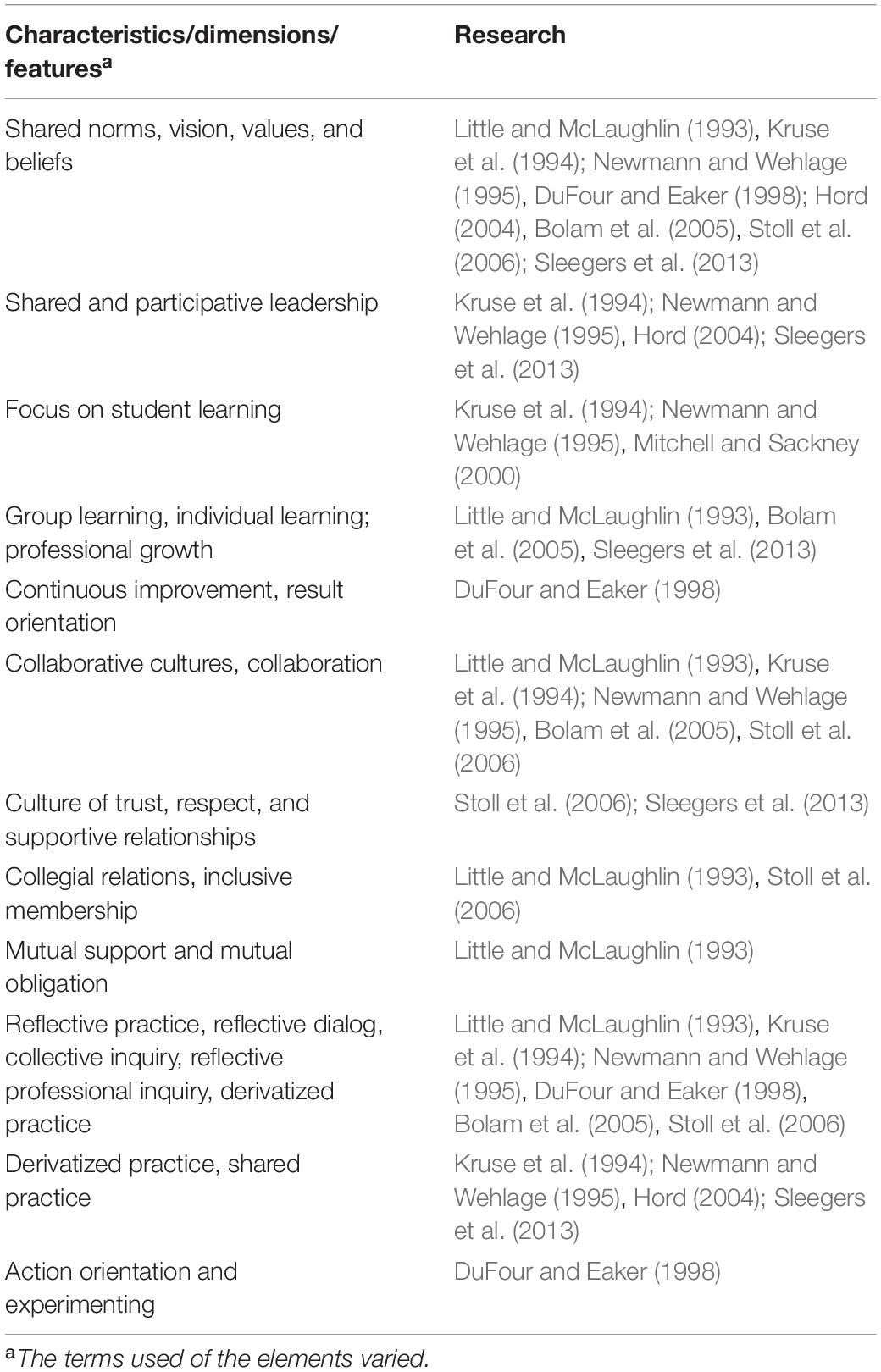
Read the Finland Study, “PLC Characteristics” here.

Read Zachary Herrmann’s article, “Cooperate or Collaborate” here.

Subscribe to the Steve Barkley Ponders Out Loud podcast on iTunes or visit BarkleyPD.com to find new episodes!

Podcast Transcript:

[00:00:00.290] – Steve [Intro]

Welcome to the Steve Barkley Ponders Out Loud podcast. As instructional coaches and school leaders, you are tasked with guiding continuous teacher growth to create student success. This podcast looks to support you with strategies from experienced guests, as well as my own insights that I’ve gathered over the years. I’m thrilled to have you with us. Thanks for tuning in.

[00:00:30.070] – Steve

The purpose when teachers meet. After observing many teacher meetings that were labeled professional learning communities and having lots of discussions with administrators, instructional coaches, and teacher leaders who were responsible for the effectiveness of these meetings, I have separated the focus of meetings that I’ve observed into three categories: professional working communities, PWC, those are places where teachers meet and collaborate to get work done, maybe designing a common assessment or planning field day events for their grade level. PLCs, professional learning communities, are places where teachers are researching and exploring how to get a student outcome that they currently are not achieving. Teachers’ new understanding and learning that comes from PLCs should have a continued payoff in positive student results. And PD, professional development sessions. These are sessions that might be led by an in-district specialist or outside consultant.

[00:01:53.430] – Steve

Often, these are part of a curriculum change or a systemic program. All three of these purposes are valuable. I believe that understanding the desired outcome of a meeting is key to teachers knowing the participatory behaviors that the teachers need to take on in order to produce the desired outcomes from the meeting. Everything being called a PLC interferes with participants being able to focus on the educator learning in true PLCs that leads to increased student success. In a PWC, professional working community, teachers’ collaborative time is spent getting work done, task completed. Historically, most apartment meetings, grade-level and middle school team meetings have been PWCs. I was first triggered to this thought when I realized that in many schools, administrators had taken an activity previously called Common Planning Time and renamed it PLC. Observing common planning sessions, I most often found teachers collaborating by divvying up the work that needed to get done. One teacher planned the fourth grade science unit, another planned the social studies unit, and the third mapped out writing assignments. One algebra teacher creates the assessment for the first unit, while another teacher creates the second. Or each teacher in the department is assigned a topic and creates five questions around that topic for their end of unit assessment.


[00:03:47.400] – Steve

In an earlier blog, I explored Chris Jensen’s views on how teachers, like physicians, can use job sharing to reduce some of the stress issues with workflow. Jensen spent his career both as a doctor in an emergency room and as a teacher of science in a high school. Jensen illustrated how a high school math department developed a schedule for an after-school math support lab. Teachers rotated the assignment of being available in the lab, which was set aside as a fixed room. This provided consistent student support and gave teachers a controlled schedule with their time. Zachary Herman, in an article titled, “Cooperate or Collaborate,” pointed out that cooperative teams are most common in schools. Teachers share resources, coordinate joint efforts, work to improve process, and build standardization and quality. Cooperation can be important in having teachers agree on what mastering a standard means. For example, eighth grade science teachers from two different middle schools, assuring that students enter high school having mastered a common standard. To achieve that result, it takes substantial cooperation. Herman illustrates cooperation: “Teachers on the team delegate tasks to each other to improve efficiencies, such as having one teacher photocopy materials for the entire team or having another teacher build a draft of an assessment rubric for the other teachers to use.

[00:05:46.460] – Steve

Teachers work jointly to prepare activities and lesson plans and grade student assessments together to ensure standard norms and practices are being used across classrooms. All of this activity has the potential to be mutually beneficial to teachers, the school, and the students they serve. However, there is often no understanding of what is occurring in each other’s classrooms as the common plan is implemented.” In professional learning communities, purposeful teacher learning around how to increase student achievement is the focus. Teachers are collaborating, asking the question, what do the students need us to learn? In a research article titled, “Practices of Professional Learning Communities,” three professors from the University of Helsinki in Finland identified 10 key characteristics of effective PLCs. I’ve broken that list of 10 into three groups. In the first group, I placed these: Shared norms, visions, values, and beliefs. Shared and participative leadership. Focus on student learning, group learning, individual learning, professional growth. Continuous improvement, and results orientation. I believe it’s the focus on student learning that is key to PLC’s generating teacher learning that leads to increased student success. As a PLC looks at student learning results or samples of student work, and they ask that driving question, what do our students need us to learn?

[00:07:53.470] – Steve

Listen in on comments that Doug Fischer made during a podcast I recorded with him and Nancy Fray. He reinforces that teacher learning in PLCs changes future practice that impacts student learning.

[00:08:13.810] – Doug

It’s not enough to just come together and say, here’s what we want kids to learn. We have to have those expectations for our students that are high, that students’ expectations for themselves and teachers’ expectations for students are powerful accelerators of learning. Unfortunately, there are just places where the expectations are not high enough. And if we all sit in a meeting and we talk about what we want kids to learn and how we’re going to know they learn it, we could all leave with a different understanding of what the expectation is, what is mastery or competency look like. So we do a lot of checks through our process. Where are the expectations? Are the expectations shared across all the people who are teaching that? Over time, that builds that individual and collective efficacy. That one of the things we attend to, our third value, is around building the collective of the team so that when you leave that collective and you go back to your classroom, to your learning environment, you are highly efficacious. And when teams come together and they have experiences of mastery, when they come together and say, we did this and it worked, when they go through those processes, it builds the collective and the individual efficacy.

[00:09:31.950] – Doug

And those are super important parts. They’re not easy to build. It takes time to build. The research on that one says that as teams develop their collective efficacy, they set higher and higher goals for themselves and their students. And so that relates back to the expectations. Is this a common challenge? Is this thing we’re working on – is it challenging enough? And in the beginning, when teams first start this, they probably aren’t quite as challenging as they could be. But once they have a couple of experiences of mastery and maybe some bicarious experience where they go see each other, they start to have increased efficacy. So we make sure we call out efficacy, both at the individual level and the collective level, and we provide tools for teams to analyze and build their efficacy. As Nancy said earlier, the fourth area is around equity. And one of our reflections working in a challenging community is that most PLC models, in fact, we can’t find any PLC models that directly focus and call out the need to attend to equity. We tend to look at individual kids and whether or not they need intervention. That’s how most professional learning community conversations go.

[00:10:49.470] – Doug

Anthony didn’t learn it, so we’re going to make Anthony go to tier two or whatever we’re going to do. We’re going to reteach whatever. We’re calling for teams to look at trend data. Where are the equity gaps in the learning outcomes of their students? And what are they going to do about it? And instead of always applying the needs like, oh, we’re all going to go to intervention now if you didn’t learn it. Sometimes we need to look at barrier removal rather than always asking kids to go to intervention, sometimes we need to look at the barriers that were in place for their learning and remove those barriers. And that’s a harder conversation to have. We are very much right now focused on individual kids and whether or not they go to intervention or not. Did they learn it? Did they not learn it? And we are asking those professional learning conversations to consider equity and the trend data so that they can start to address some of those bigger barriers to students’ learning.

[00:11:47.540] – Steve

My second group of characteristics from the Finland study includes a culture of trust, respect, and supportive relationships, collegial relationships with inclusive membership, mutual support, and mutual obligation. These items connect to my focus on PLC’s functioning as a team rather than holding a franchise meeting. Cooperation helps franchisees perform better. I describe a franchisee as a group of second-grade teachers meeting, but when they leave the meeting, they go back and run their own second-grade classroom. In PLCs, mutual obligation and mutual support means that the conversation moves from my students to our students. Goals that are set for students are goals for everyone on the team to be focused on, regardless of who’s providing the instruction in which classroom. And the last set of characteristics that I pulled from that Finland study are reflective dialog, collective inquiry, action orientation, and experimentation. I use the term hypothesis formation to describe the outcome of that collective inquiry and action orientation. PLCs, having explored and studied possibilities, form a hypothesis of actions that they can take that they believe can generate the desired success for students. As they implement their actions, PLCs gather evidence of implementation, observe the way their students respond, in other words, what are learners doing, and then they look for indicators of increased student success.

[00:14:05.000] – Steve

I often find that PLCs tackle too many things and therefore, seldom work deep enough and long enough for teacher learning to arrive and impact student learning. When teams need time for a PWC tasks, I suggest they identify a split agenda. The first 20 minutes of time might be a PWC, and the remaining 40 minutes is a PLC. The PWC portion probably has an ever-changing agenda based on current school issues, an individual student and teacher needs and concerns. The PLC agenda should follow a longer term focus, working to learn how to positively impact student learning outcomes. Here’s an example. I developed this with a middle school team from a small K-8 building. The team teaches grades 6, 7, and 8 in all the content areas. They decided to split their one hour a week common release time into PWC and PLC agendas. With the PLC desire to increase student achievement across all the content areas. The teachers developed a theory that if students set personal goals, established a set of behaviors focused on achieving those goals and implemented self-discipline and self-assessment strategies to maintain repetition of the needed learning behaviors, student achievement would increase. That was their hypothesis.

[00:16:05.740] – Steve

The team began by having the physical education teacher present instruction and practice with goal settings. Students identified the needed behaviors to reach a certain goal that they had set as part of a PE unit. Other team members later began implementing goal setting and planning into their units of study. The continuous exploration of the impact of teacher actions on student behaviors and student learning outcomes generated individual and collaborative teacher learning. What is working? What isn’t working? What modifications might we make? For me, this focus on student goal setting would be worthy of their PLC time for the year. What are teacher behaviors necessary to teach, motivate, and coach the development of goal setting skills? What are the initial indicators that students are changing their learning behaviors? Which students struggle most to develop the necessary self-discipline? And how do we, as teachers, support them? How can we simplify processes for student self-assessment? When and how do we teach these skills? What are the first indicators that student goal-setting is impacting student achievement? So much learning to occur from unpacking these common experiences. What value might your staff gain from identifying when they are engaged in PWC or PLC functions?

[00:18:12.560] – Steve

I have placed the links to all the resources mentioned in this podcast in the podcast lead-in. I’d love to hear your thoughts and questions around PLCs. You can reach me at barkleypd.com and thanks for listening.

[00:18:31.470] – Steve [Outro]

Thanks for listening, folks. I’d love to hear what you’re pondering. You can find me on Twitter or LinkedIn at Steve Barkley, or send me your questions and find my videos and blogs at barkleypd.com.


Podcast: Evidence Feedback to Promote Educator Learning

Evidence Feedback to Promote Educator Learning

When we are engaged in growing and learning as educators to reach a student success goal, reflecting on evidence gathered along the way is key both to the goal’s success and to educator learning. Evidence that shows changes in teacher actions and in student learning production behaviors should appear before changes in learning outcomes. With school leadership team goals, changes in leaders’ behaviors should be some of the first evidence that’s observed. Coaching is a great tool for gathering and reflecting upon evidence.

Subscribe to the Steve Barkley Ponders Out Loud podcast on iTunes or visit BarkleyPD.com to find new episodes! 

Podcast Transcript:

[00:00:00.330] – Steve [Intro]

Welcome to the Steve Barkley Ponders out loud podcast. As instructional coaches and school leaders, you have a challenge to guide continuous teacher growth that promotes student success. This podcast looks to support you with strategies from our experienced guests and insights that I’ve gathered across many years. I’m thrilled you’re here. Thanks for listening.

[00:00:29.690] – Steve

Evidence feedback to promote educator learning. When we are engaged in growing and learning as a process of reaching a goal, reflection on the evidence towards our progress is key to learning from the process. Sometimes we can learn when the goal isn’t achieved. Too often, school leadership teams, PLCs, departments, and individual teachers can lay out a plan, at times detailed, but they fail to gather evidence along the way that would generate learning and perhaps modification of the plan. Consider how this might appear in a medical setting. A patient, in a meeting with a doctor, forms a plan to lower the patient’s blood pressure by reducing salt intake. Evidence from numerous studies have shown that reducing salt intake can lower systolic and diastolic blood pressure, especially in individuals with hypertension. But even those with normal blood pressure can benefit from reducing salt intake as a preventative measure. So we have a plan. The patient is going to reduce salt intake and they will return in four weeks to have their blood pressure measured again. But what evidence might the doctor and patient want to gather along the way as the plan is being implemented to increase the likelihood of success and the likelihood of learning?

[00:02:26.150] – Steve

Does the patient know how to read labels to identify salt content in prepared foods? If not, instruction on that might be necessary as part of the plan. Does the patient have a tracking system and are they comfortable using the tracking system to identify their salt intake? Can the patient along the way identify choices and decisions that they are making to modify their diet? Having this kind of evidence along the way gives more meaning to the doctor’s assessment of the progress that’s been made when the blood pressure is later read. Let’s consider what this backwards planning and evidence collection might look like when a PLC sets a goal. The PLC has a goal of increasing student achievement both in content and in learning and life skills by implementing student independent and collaborative learning projects. Having identified their goal, they consider what are some of the student learning production behaviors that will be necessary? In other words, what will students have to do and practice in order for the goal to be successful? They might identify students needing goal setting skills, students working on interest driven authentic task, students investing effort on repeated iterations, students using feedback from teachers and others, students using self-assessment, and students persisting through initial failures in tackling problem solving.

[00:04:33.310] – Steve

Having identified these necessary student behaviors, the teachers would identify actions that the teachers may need to take in order to initiate, motivate, and support those desired student learning production behaviors. It might mean teachers teaching some of those student behaviors such as how to set goals or ways to request feedback or understanding the elements of effort. It may mean teachers setting up activities that spark students initial interest and curiosity. Teachers might decide to conference with students to assess their level of these necessary learning skills and then provide coaching to students as they practice the skills that they need to gain. As implementation begins, the first evidence would be around teacher behaviors. That might mean teachers assessing which of the learning production behavior students have developed and which ones need to be trained or coached. It might start with exploring students’ reactions to topics and issues from the local or global community. Teachers listening to and learning about the students is key in this process. That evidence would document that teachers have taken the initial steps towards achieving the desired goal. What have teachers learned about students and how is what teachers have learned about students shaping the design of learning opportunities that teachers will be offering? A goal of this complexity requires a lot of observation of students.

[00:06:37.510] – Steve

What evidence can we find that indicates the implementation of student learning production behaviors is present? What evidence do we find in the goals that students have set? How many iterations are present prior to students “finishing” or giving up on task? Which students are practicing which of the important behaviors? Are the students aware and conscious of specific learning production behaviors they are implementing? All this observation of students guides teachers’ next steps. If the early evidence does not indicate changes in teacher and student behaviors, reaching the outcome is unlikely and modifications should be made. Evidence of changes in student learning production behaviors provides positive feedback and motivations to teachers for the investment they are making in change in teacher practice. Now, as teachers assess student learning of both content and skill, they have a greater understanding of the outcomes that were reached. Similar to the example of the doctor and patient lowering blood pressure, more learning has occurred for both of them as they have the evidence along with the results or outcome. As school leadership teams plan backwards to develop processes to initiate and support continuous student growth, they should develop evidence indicators. What are the lookfors that illustrate that leadership behaviors, having been implemented, are producing the start of changes in teacher and student behaviors?

[00:08:37.130] – Steve

Way too often, plans are developed, initiated, and then left unattended until a measurement of student outcomes is taken sometime later. Without evidence of the process, that outcome provides little new learning for the educators. Coaching can be a great tool for gathering and reflecting upon evidence as a plan for student growth is implemented. Evidence, feedback and reflection along the way can save wasted energies and disappointment when modifications along the way aren’t implemented. I’d be happy to discuss one of your backwards plans and the likely evidence you’d want to collect with that plan. Remember, you can reach me anytime at barkleypd.com. Thanks for listening.

[00:09:45.080] – Steve [Outro]

Thanks for listening, folks. I’d love to hear what you’re pondering. You can find me on Twitter or LinkedIn at Steve Barkley. Or send me your questions and find my videos and blogs at barkleypd.com.


Podcast: Making Time for Educator Learning

steve barkley, making time for educator learning

In this week’s episode of the Steve Barkley Ponders Out Loud podcast, Steve explores making time for educator learning with clinical faculty member at Indiana university, Cassandra Williams.

View the powerpoint here.

Read about the Peer Pal program here.

Subscribe to the Steve Barkley Ponders Out Loud podcast on iTunes or visit BarkleyPD.com to find new episodes.

PODCAST TRANSCRIPT

Announcer: 00:00 Steve Barkley Ponders Out Loud is brought to you by Academy for Educators. Online, professional development for teachers and leaders. Online courses, modules, and micro-credential programs for teachers to enhance their skillsets. Now featuring the instructional coaching micro-credential including five online modules framed around the work of Steve Barkley. Learn, grow, inspire. Academyforeducators.org.

Steve [Intro]: 00:25 Hello and welcome to the Steve Barkley Ponders Out Loud podcast. For over three decades, I’ve had the opportunity to learn with educators at all levels, both nationally and internationally. I invite you to listen as I explore my thoughts and learning on a variety of topics connected to teaching, learning, and leading with some of the best and brightest educators from around the globe. Thanks for listening in.

Cassandra: 00:53 Making time for educator learning. Cassandra Williams, a clinical faculty member at Indiana University, invited me to provide an online conference presentation on making time for educator learning. What follows is that presentation. Also on the lead into this podcast are links that will allow you to access the Powerpoint that went along with it, as well as links to a peer power program that I mentioned during the presentation. I extend a thank you to Cassandra for the invitation and appreciation for allowing us to use the tape.

Cassandra: 01:37 So welcome, Steve.

Steve: 01:39 Thank you. Thank you.

Cassandra: 01:41 So today he has a wonderful presentation for us. I can’t wait. I’m so excited. Making time for educator learning. Who has time? But thank you so much. So, on to you, Steve.

Steve: 01:55 Okay. Well, the the first piece that I want to address is the title, which is extremely purposeful. Years ago, I wrote an article called “Making Time” and I wrote the article because I had just finished reading an article called “Finding Time.” And I agreed with everything the author of the article said, except with the title. If people go looking for time, I don’t think they’re likely to find it. But if you decide that educator learning is a critical issue, then you begin by making time for it. So I suggest that the first question we really have to ask ourselves is, do we believe that educator learning is critical to increasing and impacting student learning? A scary example for me is years back, there were districts who created a late start days in order to give teachers a common PLC time first thing in the morning when they were fresh.

Steve: 03:06 And after a year or two of that, in many cases, they dropped it. And part of the reason it was dropped is the teachers said they’d rather have that time with their students than in the PLC. And what that tells me is the teachers weren’t finding that their PLC time was valued in that it created a learning time for teachers. So example, when I work with PLCs, I suggest the first driving question that the PLC is constantly asking is what do the kids need us to learn? I’m starting with the assumption that if we knew how to get better student learning results that we’re getting we’d have done it. Nobody’s holding back on the things that they know. So if we sit down as a group and we look at student work and we don’t like the results, or we want a better result, a deeper richer result, then it’s going to start with us figuring out what we need to learn.

Steve: 04:12 And for the administrators out there joining us to me, that’s a question as an administrator you want to constantly be asking to find out the quality of your PLCs. And that is to ask teachers, describe something that you recently learned in your PLC and how it’s impacting your students. And if people aren’t finding that they’re learning as part of the PLC, then it’s more likely that it’s what I call a PWC. That’s a professional working community. So people are coming together and they’re collaborating to get work done. And trust me, that’s not a bad thing, but it’s not a PLC. The purpose of the PLC is that we realize we as educators need to learn something in order to extend it from here.

Cassandra: 04:57 No, you know, I love that. And even thinking on how will we bring back the knowledge that we learned from conferences and what does that look like? That has been a challenge to say, oh, you did this conference on coaching now, how are you going to implement it? And how are you going to share it with us so we can learn from your experience? But yeah, these are all great. How do we meet the needs of students? What are we here for and how do we build on that learning? Yes, yes, yes. I’m excited.

Steve: 05:28 Okay. So, there’s three three ways that I wanted to look at this. First of all is, if you believe that teacher learning, educator learning, let’s push that, is critical, then leaders schedule it. And the best example I can give you – my wife’s an administrator in a international school and she’s in charge of the schedule of elementary school. When she sits down to do the schedule, the very first thing she schedules is the teachers’ common PLC blocks of time. So who is it that I want to spend the year working and learning together? And I begin my schedule by putting that in. And now I’ll look to build everything else around it. If you wait until the end of – you got the whole schedule mapped out, and now you’re sitting down to figure out how people can do this, it can’t be done.

Steve: 06:27 I was in a a conference talking about the need for people to to work and learn together. And it was a principal’s conference. And one of the participants said, there’s just no time in the schedules for teachers to collaborate. And said, wow, I wish we could talk to the people who do the schedules. They were all sitting there in the room. You know, it’s one thing for a group of teachers to sit and complain about the schedule. But when I got the people who made this schedule and you’re sitting there complaining about it, we need to take some responsibility. So that’s number one. If you believe it’s important, it’s planned and built in. Second, if people are working as teams, the teams can always create time for PLC, for classroom coaching observations, for learning to happen.

Steve: 07:27 If I’ve got four fourth grade teachers, it doesn’t take any massive planning for fourth grade teachers to figure out that three of them can have all the kids for a 45 minute block of time while the one partner that they freed up is now having an opportunity to observe in fifth grade classrooms, kids that were fourth graders last year and bring that information back. And across the week, we could do it once a day for four days in a row. And each of the four teachers would have spent 45 minutes observing kids from last year in fifth grade classrooms. And we can now sit down and have that conversation. We don’t need the administrators planning the schedule. We don’t need substitutes hired. We can step in and make that time for ourselves once we know that it’s important and critical.

Cassandra: 08:23 Oh my gosh. Yes. You know, it’s just thinking outside of the box and, you know – space. I mean, that system sounds so doable. So wonder why more people aren’t just doing it.

Steve: 08:39 We got locked in the boxes. I traveled 3000 miles to consult in a school and I’m spending the day meeting with PLCs and I’m in this PLC and somebody said, you know, we really need the input from the reading teacher and the reading specialist but she’s not free the period that our PLC meets. I’m sitting there with them. I said, well, what if one of you went down and covered her class for the next 20 minutes while she came up and worked with the rest of the team? You know, it’s like, we can do that? Well, I don’t know. I didn’t read in the book that we can do it, but I didn’t read that we can’t. You know, I mean, I like, I wanted to laugh, but I kind of felt bad that we’ve created that situation where, where the teachers didn’t sense they had the empowerment to step out and do that. Now I did all of my teaching on teams and we were forever figuring out how to free somebody up in order for all of us to learn from freeing that person up.

Cassandra: 09:43 Yes. Yes. I love that. I mean, we’ve even split the class up and did it on a regular basis where we had rotations going to where we all had a little bit of the teacher’s students, where the teacher can go out for that type of learning. So yes.

Steve: 10:01 If you move it to a secondary setting, consider you decide that we’re going to take a day or two, and we’re going to give extra learning time to the English department. So any student who’s scheduled for an English class is going to go to a social studies class. As a social studies teacher, I’m going to have a double class and I’m going to do an activity that’s going to – you know, I got ninth grade kids doing a writing activity in my social studies class, which is going to be to gain everybody. And the social studies and English teacher could plan it together. But today, all of those English kids are in a social studies class. Tomorrow, all those social studies kids are in an English class and in two days, all those teachers gave that time to each other to figure out how they can invest that in learning.

Steve: 10:54 And if you decide it’s important, then the third issue that I raised there is just teachers will extend themselves. But they need the opportunity to see it’s important and valuable. I mean, if you go into school and say that you got a call that your child is sick and you need to leave school an hour early to get your child to the doctor, at a drop of a hat, there’s 10 people ready to step in and figure out a way to cover your class to do that for you as a colleague. Well, I don’t want to put teacher learning on the level of a sick child, but it would be the same stepping in if you saw that it was important and critical. And especially if we reached a point of collective efficacy, where I believe that you getting better at what you’re doing, benefits all of us. So your learning will be shared with me, or your learning shared with the kids has an impact back on me. We’ve created that environment.

Cassandra: 11:54 Yes. But you know, a lot of that environment just trust. And the empowerment, like you said, you know how to build that empowerment with your teachers to make those core decisions for the benefit of the students.

Steve: 12:06 Well, and so team becomes the word then. So if you believe that you are collectively responsible for student success, so I’m as responsible for the success of kids in your classroom as I am for kids in my classroom. That point then, we now need to create that opportunity for everybody to be a learner. So from this, I pulled two specific examples to share with folks. And this first one, I call peer pals. It’s one of my favorite ones to use in an elementary school. And I gave folks here on the slide, the background from a school in Texas that implemented it extremely successfully. And the the the link at the bottom will take you to a blog where I interviewed the principal and spelled it out in detail. But what they did was they took third, fourth and fifth grade classrooms, and they aligned all of them with the kindergarten first and second grade classroom.

Steve: 13:06 So every third grade student was set up to be a tutor in a kindergarten classroom. And equally every fifth grade student was set to be a tutor in a second grade classroom. So they then scheduled time once a week for the older class to go to the younger class and do their tutoring. Well, this week when third grade goes to kindergarten, the kindergarten teacher stays with the kids and the third grade teachers pick up a 45 minute common block of time for working together and studying together. Next week, at the same time we go back, and next week the third grade teachers stay and the kindergarten teachers pick up the time. So you’ve now built into into the week, into the month, two extra periods of time for teachers to think and work together. And you gave the kids a quality learning experience. This school was so excited with the results, they actually moved classrooms so that they put on the same hallway, the third grade and kindergarten and the fifth and second. So on the same hallway, all the kids had to do a step across the hall because the the kids really got into it. Teachers found students coming to them and saying, can I take a minute to run over and check in on my peer pals? She had a hard day yesterday.

Cassandra: 14:38 Oh my gosh, that’s amazing.

Steve: 14:42 It reached the level where as the year went on, second grade kids, for example, started to email their requests to their peer pal for the pure pal time. I’m struggling with this piece in math. So tomorrow during peer pal time, can you help me with this? And so, the kids were actually starting to come already thinking about what it was that they would, that they would carry out. So I’m always big on whatever you’re doing with time, it shouldn’t be at the cost of students. So I like this example because it created adult time while kids were engaged in a quality learning experience and activity.

Cassandra: 15:28 I love this. Where was this three, five, 10 years ago? Oh my goodness. I mean, just the power in one, the space and the time that teachers have available. Two, it’s empowering for kids. And they have mentors. I mean, you know, this reminds me of Kevin Burkholtz, and he saying how we need to empower our students to become leaders. And so this is that in essential, and these students are teachers, you know, mentor support systems, and this is amazing. So I love this idea.

Steve: 16:06 You can build these – so you can build a whole lot of the social, emotional pieces in here as well.

Cassandra: 16:14 Gosh, we’re going to meet this for the fall. Definitely. Especially the social emotional.

Steve: 16:18 So here’s one then, I moved to look at a similar play at the secondary level. And and I call it seminar day. If you take the total number of students in your school and you divide it by the total number of, I say, certified staff now, that differs around the country. In some schools, a paraprofessional, can be alone with a group of kids and other places that I work, that’s not OK. But I’m talking guidance counselors, nurse, librarian, as well as my administrative team. In most schools, when you do that, you end up with a a student to teacher ratio somewhere around the 12 to 15 count. I’ve been in schools already that it’s as low as nine. And when I figured that out, it really struck me that, I mean, can you imagine we’ve got to go to the public and say, we’ve got one adult for every 10 kids in the school, and we can’t figure out how we can find time for teachers to meet as learners during the school day?

Steve: 17:29 And most of the times, people are looking at 23 kids in their class, and not realizing that you can bring the number down to this when you look at everybody working with kids. So on a seminar day, what you do is consider that half of your staff call day, they’re going to teach a 90 minute seminar. And that seminar is going to be attended by a group of approximately 30 students. So if you do that, you’ve now have half of your staff that’s free for that 90 days and a block. So if you wanted to do PD, then you, even, if you brought in an outside person to do a workshop, you’ve got a 90 minute chunk of time. If you want teachers to meet by grade levels, so the freshmen teachers are going to meet and study an issue. Or you’re going to give time for people to have an extra 90 minute block of their PLC time, if by the way you arranged which teachers are doing the seminar versus who’s off during that time. So you have a 90 minute seminar. You can build in a 10 or 15 minute break in between for things to switch. And now the other half of the staff, B, picks up and they teach a 90 minute seminar while the other half of the staff has now been freed up.

Steve: 19:02 And the really interesting thing at the secondary level. If a teacher plans a seminar and consider you just did this once a month. A teacher could plan a seminar, they could actually offer the seminar, the very same seminar for the rest of the year. You’re just changing the group of 30 kids who are attending your seminar each time. So now can begin to think, well, what do you want to offer during seminar time? You want to do critical thinking workshops? Do you want to look at creativity? Do you want to look at career exploration? Do you want to bring in speakers, who work with one group of kids in the morning and another group one group of kids in the first 30 minute block and another in the second block?

Steve: 19:59 Again, I’m going to come back to, I don’t want the kids to miss anything, but these seminars ought to be really powerful learning opportunities for kids. Now there are some schools, I frequently find in urban areas where the numbers might not come down this far. So then all I do is take a look and switch now to working with the staff in thirds, instead of working in half. Now, two thirds of the staff are in effect providing the seminars for the kids, while a third of the staff is off. So if your school fell into that category, you might want to call seminar day and kids do nothing that day but attend three seminars. My school day is made up of three different 90 minute seminars that I attended.

Cassandra: 21:02 Wow. Gosh, that’s, I mean, we can really do that in rotation and have so many supports, speakers. I mean, you know, teachers could facilitate this. I mean, this is really amazing.

Steve: 21:16 Think about kids. So as the teacher, you can get a two student partnership team that’s going to offer the seminar. The teachers mentoring and supporting the kids and being the ones providing the seminar.

Cassandra: 21:34 Gosh. And what does that do for the kids’ you know, self esteem. I mean, there’s so many things, positive things that can come out of this. Wow.

Steve: 21:45 So I’ll kind of wrap up, pull it together. This all for me goes back to the whole concept of collective efficacy. So we we’ve known all along that teacher efficacy was a critical point. That teachers had to have a belief that they can make a difference in the lives of kids, a difference that overcomes other issues from kids’ backgrounds, that they may have to bring into the school with them. But we’ve learned more recently that the thing that takes a big step above individual teacher efficacy is that collective efficacy. So that now as a teacher, I believe in my colleagues’ capabilities to make this happen. Well, I can’t see any way to develop collective efficacy without teachers building trust. And I can’t figure out how to build trust without getting teachers into each other’s classrooms and looking at each other’s student work.

Steve: 22:57 So when I have the opportunity to learn with you, when I have the opportunity to hear your belief and value system, as to how important student success is to you, then that builds the trust. And I can trust that if I went out of my way to create a learning opportunity for you, not only would you return the favor to me, but perhaps more importantly, you would put that opportunity that I provided you to good use, which meant that it was going to have payoffs for for students and student learning. It’s all about a belief system that says educator learning is critical to extended student learning. And I think no time is that more important than the time we’re in right now. This has created an awesome opportunity to increase educator learning. Educators got forced to learn things faster and with more risk than frequently we, as educators are willing to take on. But it’s gotta be that it comes back to have payoffs for kids. And I think if we believe it, we can make it happen. So that belief that I started with has gotta be at the bottom line here.

Cassandra: 24:25 And you know, that’s so powerful. And it’s cyclical learning. Like, it’s an ongoing learning process. It’s not a sit and get – come to this, you know, professional development, we’re all getting professional development simultaneously and we’re all learning and we all have the trust and we all can we all empowered to make change to our system. I mean, this is what the uptopia, what we want to happen in every school so I love it.

Steve: 24:57 And actually it has the adults modeling the environment that we want for kids. I mean, if you think about it, historically, kids have been doing a lot more learning than the adults have been doing in our buildings. And the environment we want is the kids taking responsibility for each other’s learning as well as their own. So we’ve got to create the environment in a school where educators can step forth and do that same thing.

Steve: 25:27 I hope you found some insights and possible strategies in the presentation that you can use for making time for educator learning in your schools. If you’d like to extend a conversation around this concept of making time, please feel free to contact me on please feel free to contact me at barkleypd.com or email me at sbarkley@pls3rdlearning.com Thanks for listening in and have a great time making time for educators.

Steve [Outro]: 26:12 Thanks again for listening. You can subscribe to Steve Barkley Ponders Out Loud on iTunes and Podbean. And please remember to rate and review us on iTunes. I also want to hear what you’re pondering. You can find me on Twitter @stevebarkley or send me your questions and find my videos and blogs at barkleypd.com.


Supporting Educator Learning to Build Student Learning

Rapidly changing issues impacting our schools and communities are driving an immediate and substantial focus on educator learning. It’s important that we implement all that we know in designing and supporting educator learning. Planning backwards, we need to begin with identifying the desired student learning outcomes. What are the most critical areas of knowledge, skills and understanding we want students to develop? With the current world events and our desired future, what are the standards most likely to create students’ current and future success?

With our outcome standards identified, our next task is to decide what students need to experience and do (learning production behaviors) that will generate the desired outcomes. Having identified the learning behaviors, teachers should be informing students, and in many cases parents, specifically how and why these behaviors will impact learning outcomes. This is the step that teaches “how to learn.” It is empowering when one knows what to do to gain a desired learning outcome.

Knowing what the learning production behaviors are, sets the stage for the teacher to design the options for ways to engage learners in those behaviors. This is labeled in the framework below as teacher actions.

Concept

A lot of educator learning is built around identifying teachers’ skills, strategies, and tools for creating the options for maximizing learning for ALL students.

Concept 2

A beginning design spot for teachers can be to identify students’ readiness to engage in the learning process. While some students have the necessary background in content and learning skills, others will need scaffolding to support their initial engagement. In addition, some students have passed the readiness stage and need to be engaged deeper or further from the starting gate. Next, the teacher can consider the appropriateness of students working with direct instruction or tackling learning tasks independently or collaboratively with peers. Both the learning production behaviors that are needed and the student’s individual preferences come into play. Student agency can be supported. The mix now of readiness and mode can merge with options of synchronous, asynchronous, and blended models of teaching and learning. While there is great complexity in the multiple twists that planning for learning can take, confidence can be found in knowing that when sufficient learning is not occurring, a few turns can create a new option to try. Feedback from initial plans can guide the direction of the next approach.

Professional development opportunities with coaching and professional learning communities can build the support system for educators to spend their learning time engaged in the most appropriate learning production behaviors. As school leaders, how are you designing the educator learning for your staff? Considering the changes needed to maximize student learning, which staff members are ready to learn? Do some need scaffolding? If so, how will you provide it? Are some staff advanced? If so, how can they best support others and where are the opportunities for them to advance and maybe create new breakthroughs in learning. Where does direct instruction most help and support educator learning? How can synchronous, asynchronous, and blended deliveries provide that direct instruction and create collaborative and independent learning options?

Lastly, as leaders, how are you maximizing your learning options to build your leadership capabilities?